Strategy › Bearing in
Bearing in
Between the middlegame and the bear-off comes the quiet, important job of getting your last checkers home. Do it tidily and the bear-off plays itself; do it carelessly and you hand back pips — or a shot — just as the finish line comes into view.
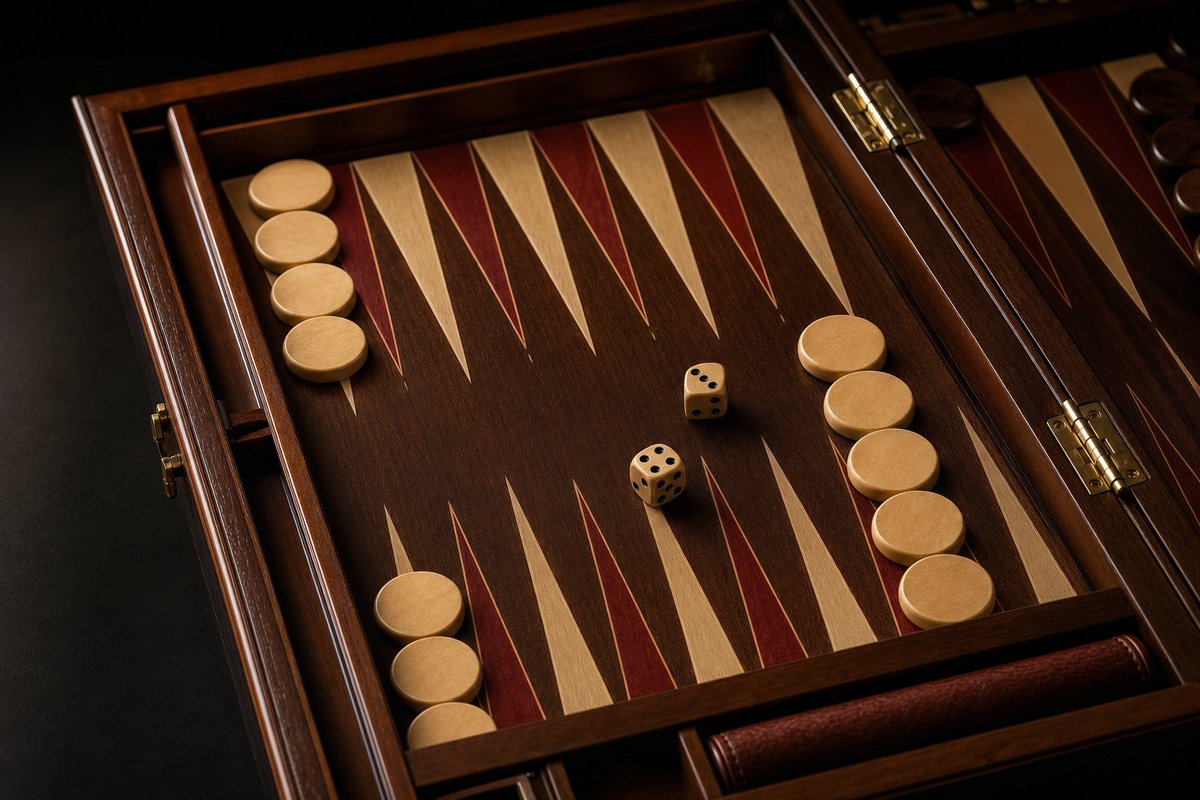
Bearing in is the act of bringing your fifteen checkers across the board and into your home board, the six points from the 6-point down to the 1-point. It matters because you cannot bear off a single checker until the last one is home — and because the shape you arrive in decides how smoothly the bear-off will go. A good bear-in is half of a good endgame.
Counting your way in: crossovers
There is a quick way to judge how close you are without a full pip count. A crossover is a checker moving from one quadrant into the next on its way home. Count the crossovers you still need and you have a fast estimate of how many useful rolls separate you from being ready to bear off — handy when you are deciding whether to keep racing or to start playing safe.
Bring them in smoothly
The single biggest mistake is burying checkers — dumping them onto the 1-point and 2-point, deep in the board, where they can never do anything but waste pips. Wherever the dice allow, bring checkers onto the higher home-board points instead, and aim for an even spread across all six. The board you want when you finish bearing in has a checker or two on every point and no awkward gap on the 5 and 6 — because that is the board that turns almost every number into a clean bear-off. Spending a roll to fill an empty high point is usually better than stacking yet another checker on a low one.
Watch for the shot
Bearing in is not always safe. If your opponent still holds an anchor in your home board, every checker you bring past it risks leaving a blot they can hit — and a hit this late, with your other checkers nearly home, is often fatal. So while contact remains, prefer moves that bring checkers home without leaving a single checker exposed, even at the cost of a slightly less tidy board. Safety comes first until the last enemy checker has left; only then do you optimise purely for an even bear-off.
The habit
Think one phase ahead. As the last checkers come home, you are not just covering ground — you are building the position you will bear off from. Fill the high points, keep things even, dodge shots while you must, and the endgame arrives already half-won. From there it is all about spending each roll fully.
Common questions
What does bearing in mean?
Bearing in is the phase of bringing your last checkers across into your home board — the six points closest to you — so that you can begin bearing them off. You cannot lift a single checker until all fifteen are home, so how you bear in sets up the whole endgame.
How is bearing in different from bearing off?
Bearing in is getting your checkers home; bearing off is removing them once they are. They run back to back, and the way you bear in — evenly or awkwardly — largely decides how efficient your bear-off will be.
What is a crossover?
A checker moving from one quadrant of the board into the next, towards home. Counting the crossovers you still need is a fast way to judge how many rolls separate you from being ready to bear off, without a full pip count.
What is the biggest mistake when bearing in?
Burying checkers — piling them onto the 1-point and 2-point where they can only ever waste pips. Bring checkers onto the higher home-board points where possible, keep an even spread, and avoid leaving gaps on the 5 and 6.